A child hugging a unicorn plush toy while a parent invents the continuation of the story on an ordinary weeknight. This type of scene, often underestimated, activates a well-documented emotional security mechanism in young children according to educational sciences. Family bonds are not only strengthened through outings or gifts: they are also built through shared characters, common narratives, and regular storytelling rituals.
Hybrid narrative support: why a shared character strengthens family cohesion
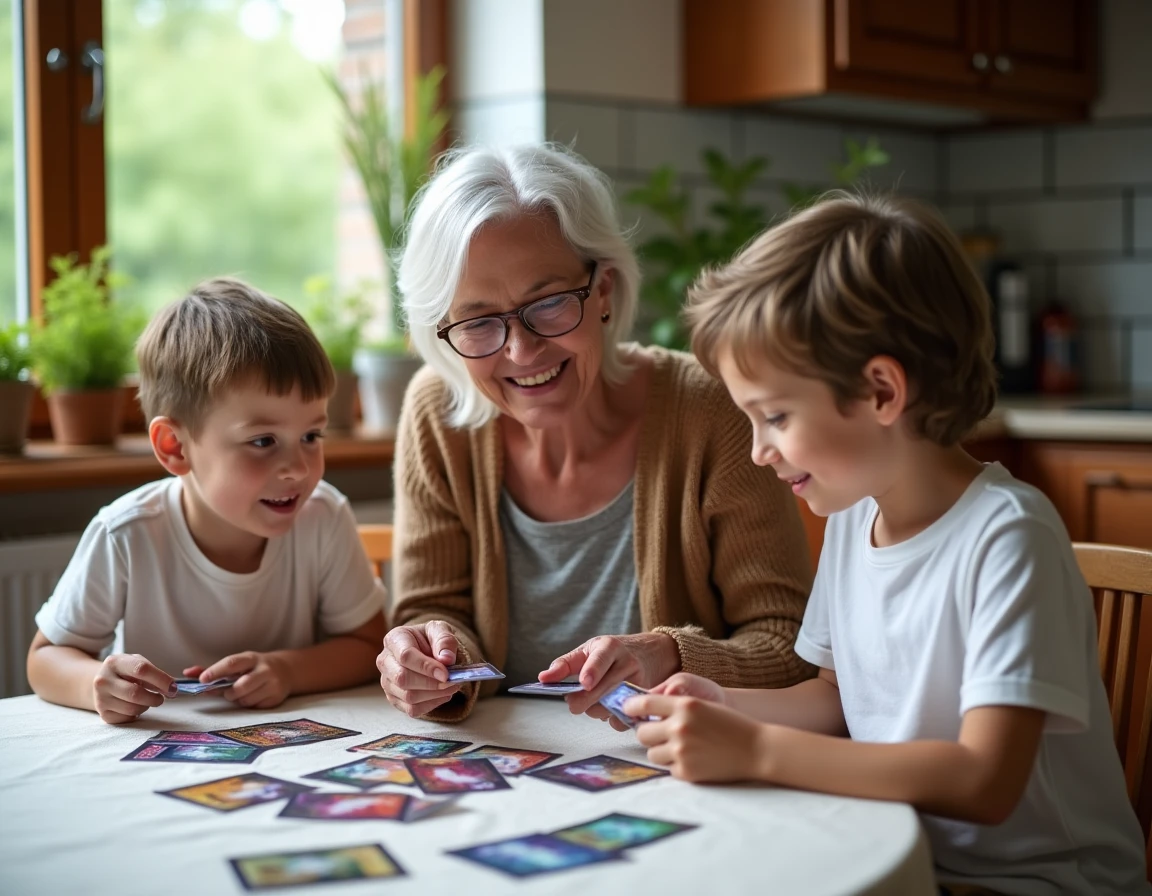
Have you ever noticed that a child finds it easier to talk about their day when addressing a stuffed animal or a figurine? It’s not a coincidence. Recent studies on hybrid narrative supports (a physical object associated with digital content) show that family engagement is more sustainable with this type of device than with simple one-off gifts.
Specifically, a fictional character embodied by a plush toy, cards, or a figurine, and extended by mini-stories or digital challenges, creates a common thread. Each family member can contribute to it, revisit it, and add a layer. The child does not just consume a toy; they participate in a universe. The parent, in turn, has a natural pretext to engage in conversations about emotions, fears, and desires.
This mechanism is at the heart of Cosmic Unicorn: a collection of objects and content that blend imagination and family life. Families looking for this type of support can explore the family site of Cosmic Unicorn to understand how this character integrates into everyday life.
Verbalizing emotions in children: the role of imagination in evening rituals

Asking a child “How do you feel?” rarely produces a detailed response. Using a character changes the game. A child who recounts what the unicorn “experienced” during the day is actually projecting their own emotions. This narrative projection mechanism is used in family mediation and after-school programs.
The shared imagination helps children verbalize their emotions, especially in stressful contexts. Parental separation, moving, the arrival of a little brother or sister: these transitions generate anxiety that the child may not always be able to name. A recurring character, physically present in the home, offers an indirect and reassuring channel for expression.
The ritual is as important as the character. A few minutes each evening is sufficient. The idea is not to create an additional activity but to integrate a light habit:
- Taking turns inventing the continuation of a story featuring the shared character, slipping in a real event from the day
- Assigning the character a “mission” for the next day (for example, to find something beautiful), then discussing it together the following evening
- Leaving a little note or drawing near the character for another family member to discover in the morning
These micro-rituals require no preparation or materials. They adapt to the children’s ages and create a space where everyone feels heard without pressure.
Symbolic family practices after the pandemic: a need still little addressed
Since the Covid-19 pandemic, family sociology researchers have observed a marked increase in “symbolic” family practices: imaginary worlds invented together, recurring characters unique to the family, collective stories. These practices are not just simple games. They serve as a support for addressing anxiety-provoking topics (current events, uncertainty, change) in a secure environment.
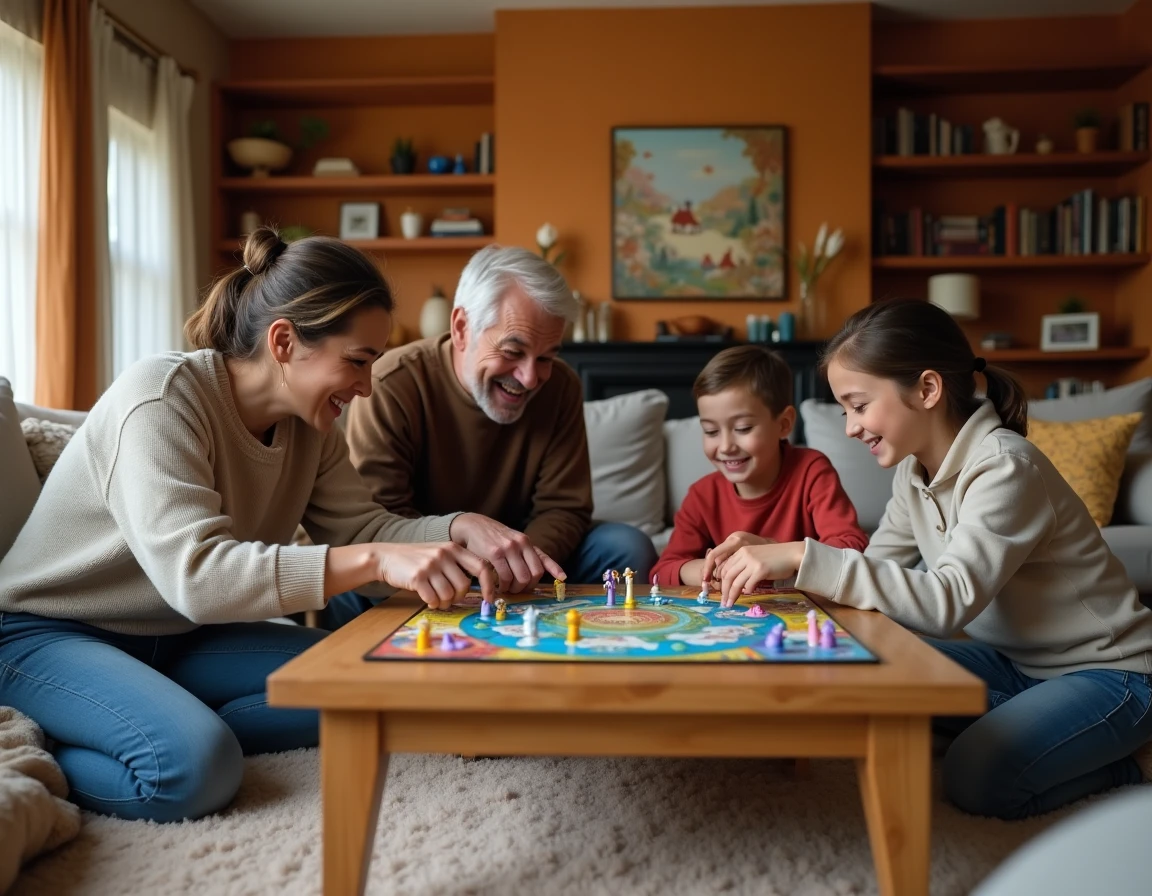
These symbolic rituals are associated with better family cohesion and a measurable reduction in anxiety among children. Despite this, the majority of popular articles on family bonds focus on concrete activities (board games, nature outings, cooking) without addressing this narrative dimension.
Cosmic Unicorn fits precisely into this niche. Its universe provides a ready-to-use character, with regular content (notes, challenges, stories) that sustains family dynamics over time. It is not a one-off activity kit; it is a shared narrative thread between parents and children.
Integrating Cosmic Unicorn into family life without overloading the schedule
The main barrier to family activities remains time. Adding one more activity to the schedule often produces the opposite effect of what is desired: frustration. The approach works best when it attaches to existing moments.
The evening meal, the car ride, the minutes before bedtime: these already available slots are the best suited for introducing a shared character. There’s no need to block off half a day.
- At breakfast, read together a message or challenge sent by Cosmic Unicorn for the day
- During a trip, collectively invent an episode of the ongoing story
- On the weekend, create a drawing or object related to the universe and display it in a common area of the house
The family bond strengthens in regularity, not in duration. Five minutes shared with attention are worth more than an hour of activity where everyone is looking at their screen simultaneously.
Families with children of different ages find common ground. The youngest draws, the oldest writes, the parent reads or adds to it. Each member contributes in their own way, which avoids the classic dynamic where one adult organizes and the others follow.
A character like Cosmic Unicorn does not replace outings or board games. It adds a layer of connection to daily life, subtle yet continuous, transforming family routines into moments of shared complicity.