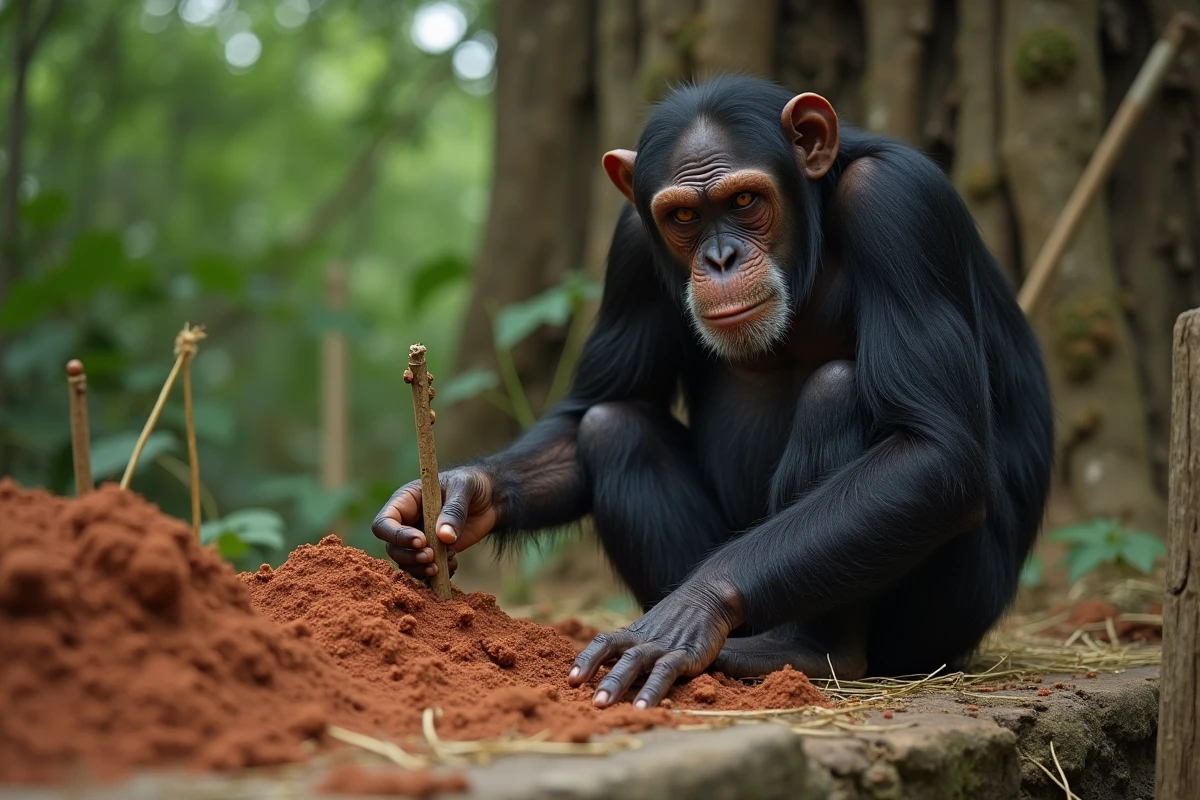
A chimpanzee making a spear to hunt, a crow bending a wire to reach food, a bumblebee reasoning with mental shortcuts similar to ours. Animal intelligence is not just about ranking. Recent research shows that each species develops cognitive abilities adapted to its environment, sometimes comparable to those of young human children.
Bumblebees and rats: the game-changing outsiders
When talking about intelligent animals, the same names come up: dolphins, great apes, corvids. However, two species remain underestimated.
Researchers have discovered that bumblebees reason with heuristics similar to human cognitive biases. In other words, when faced with a complex choice, they use quick decision-making shortcuts, a mechanism once thought to be reserved for vertebrates with large brains. This finding challenges the idea that an insect operates solely on reflex.
On the rat side, the reevaluation is equally striking. Science communicator Sébastien Moro has helped document their empathy, cooperation, and cognitive flexibility. A rat can change its strategy mid-task, help a struggling peer, and learn complex sequences. These social and emotional skills bring them closer, on certain criteria, to much more publicized primates.
To delve deeper into animal intelligence according to L’Animal et l’Homme, these atypical profiles illustrate well why a single ranking makes little sense.
Why comparing animal intelligence across species is problematic
You may have noticed that a dog understands your emotions better than any parrot, while that parrot retains a vocabulary that your dog will never master? This discrepancy illustrates the crux of the issue.
The scientific debate has shifted from ranking to studying different forms of intelligence. Rather than a single axis (from “least intelligent” to “most intelligent”), researchers today work with the idea of a continuum. Each species excels in an area related to its survival.
- Octopuses solve mechanical problems (opening a jar, escaping from an aquarium) thanks to intelligence distributed in their tentacles, without needing a centralized cortex.
- Elephants possess extraordinary spatial, olfactory, and auditory memory. They recognize peers after decades of separation and engage in rituals around their dead.
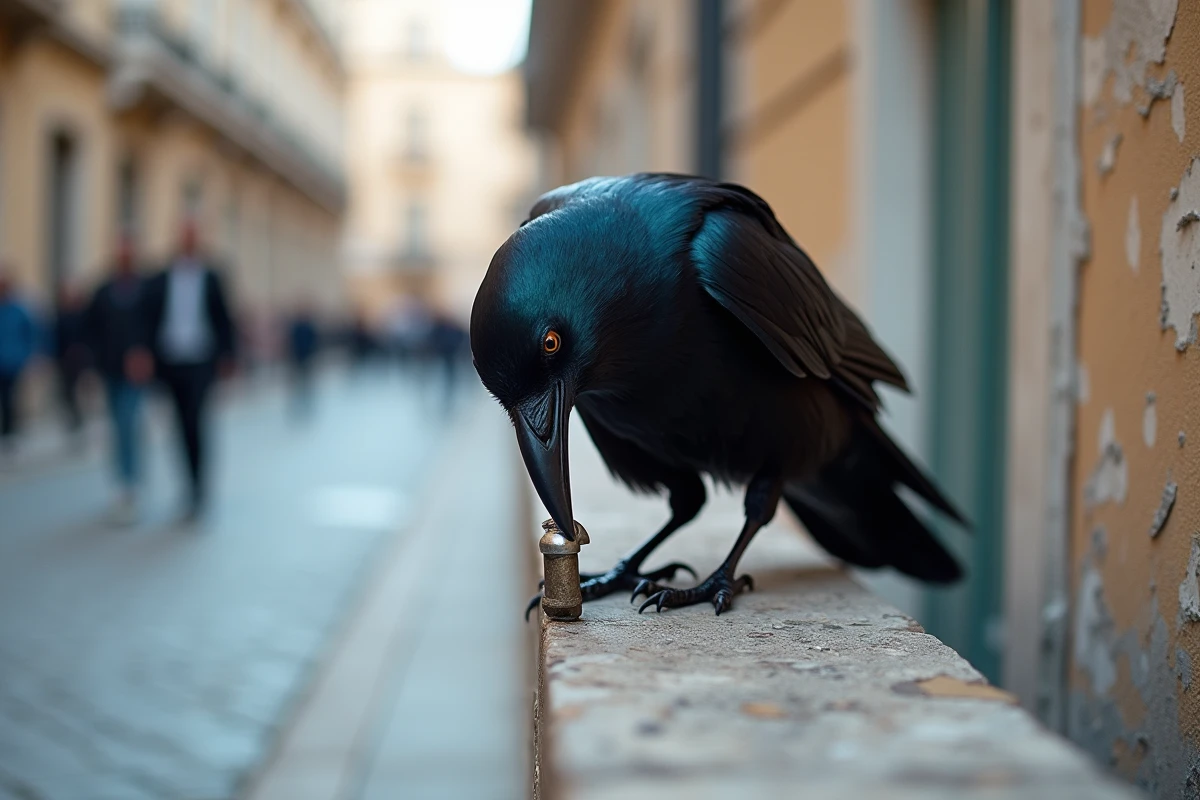
- Crows make and modify tools, a skill long considered unique to humans and great apes.
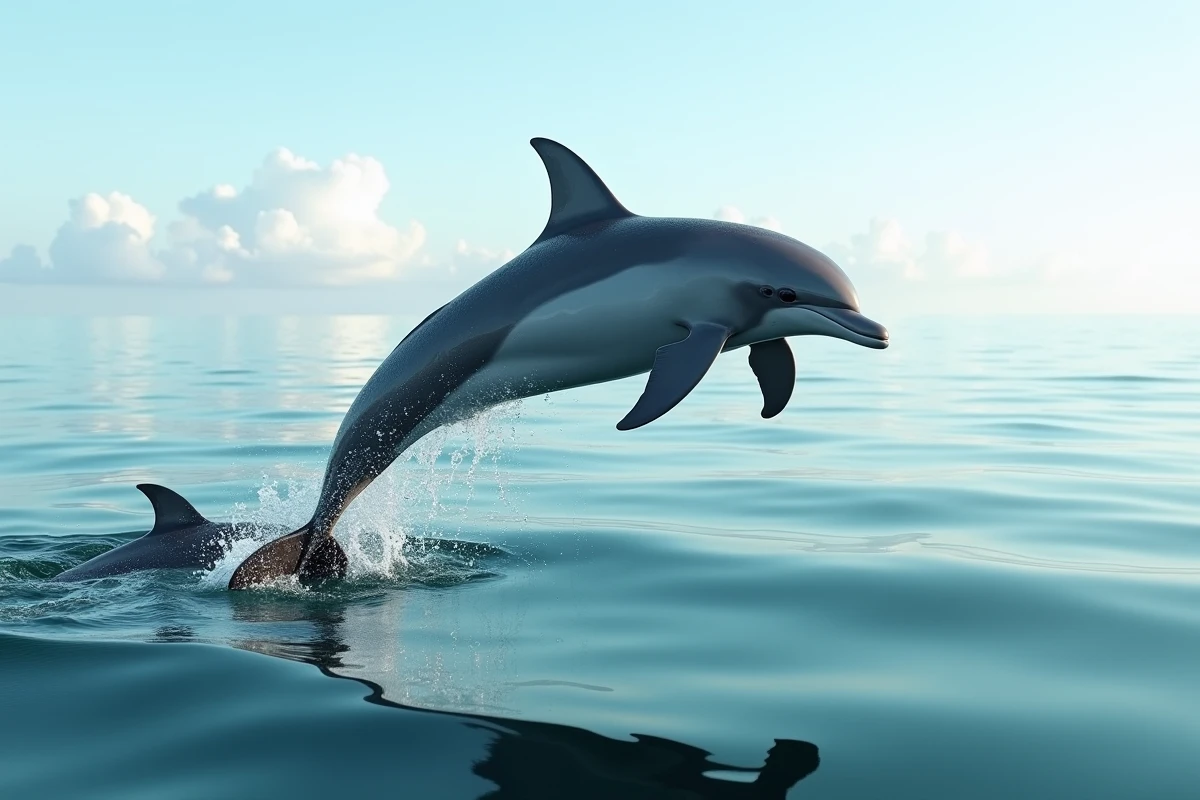
- Dolphins communicate with individualized whistling systems, a kind of “sound name” assigned to each group member.
Measuring these abilities on a common scale is akin to comparing an Olympic swimmer and a mountaineer on the same podium. The playing field is not the same.
Artificial intelligence and animal cognition: an unexpected link
Recent advances in artificial intelligence open concrete perspectives for decoding animal communication. Research projects are now using machine learning algorithms to analyze the vocalizations of cetaceans or the chemical signals of social insects.
AI could significantly reduce the use of animal testing in laboratories. Predictive models are already able to simulate certain behavioral responses without direct manipulation. This technical evolution does not replace field observation, but it complements existing protocols by reducing the number of individuals involved.
The other contribution concerns computational linguistics applied to animal sounds. By processing thousands of hours of recordings, researchers identify structures in whale songs or alarm calls of primates that escaped human ears. These patterns suggest levels of syntax that were previously unsuspected.
The dog brain: what domestication has changed
You might think that living alongside humans for millennia has made dogs smarter. The reality is more nuanced. Research from the National Museum of Natural History has explored the following question: has the dog brain shrunk with domestication?
Artificial selection has favored social behaviors (obedience, reading human emotions) rather than autonomous problem-solving abilities. A wild wolf faced with a food puzzle often solves it faster than a comparably sized domestic dog. The dog, on the other hand, looks to its owner for help.
This is not a sign of stupidity. It is a form of intelligence specialized in interspecies cooperation. The dog has developed a unique ability to interpret human gestures, gaze, and tone of voice, a skill that even chimpanzees do not master as finely.
What these discoveries change for our relationship with animals
Recognizing that bumblebees use heuristics or that rats show empathy is not just anecdotal. These results fuel concrete reflections on animal welfare in farming, laboratories, and conservation policies.
The gradual abandonment of a hierarchical ranking in favor of a continuum of forms of intelligence also prompts a rethink of protection criteria. An animal does not need to “resemble” humans cognitively to deserve ethical consideration. The richness of its social interactions, its adaptability, or its emotional sensitivity is enough to justify appropriate regulatory frameworks.
The next time you observe a crow manipulating an object or a laboratory rat hesitating before helping a peer, keep in mind that the boundary between instinct and reflection is much blurrier than school textbooks suggest.