The question of Eastpak bag manufacturing often arises among buyers attentive to the origin of their accessories. With American roots, Asian production, and acquisition by a licensing group, the brand’s manufacturing chain has undergone several profound changes. This article measures the gaps between the perception of a “made in USA” brand and the current industrial reality of its production sites.
Eastpak Licensing Model and Geographic Distribution of Production
Eastpak was founded in 1952 in the United States under the name Eastern Canvas Products, with initial production intended for the U.S. military. The brand is now owned by Authentic Brands Group (ABG), which acquired it from VF Corporation in 2021.
This change in ownership altered the industrial logic. ABG does not own factories: the group operates on a regional licensing model, where local partners manage distribution and, in some cases, oversee the choice of subcontractors. In France, it is the distributor Cosimo that deploys Eastpak and JanSport.
| Period | Owner | Industrial Model | Main Production Areas |
|---|---|---|---|
| 1952-2000s | Eastern Canvas Products / Eastpak | Integrated Production | United States |
| 2000s-2021 | VF Corporation | Centralized Subcontracting | China, then rising Vietnam |
| Since 2021 | Authentic Brands Group | Regional Licenses | Vietnam (core volumes), China, occasionally Europe |
This table illustrates a gradual shift: from integrated American production to Asian subcontracting, then to a fragmentation driven by licensees. To learn more about Eastpak’s origin, the distinction between design (design, material specifications) and assembly (sewing, finishing) remains the central point to understand.
Vietnam, China, and Small European Series: Where Eastpak Bags Are Actually Sewn
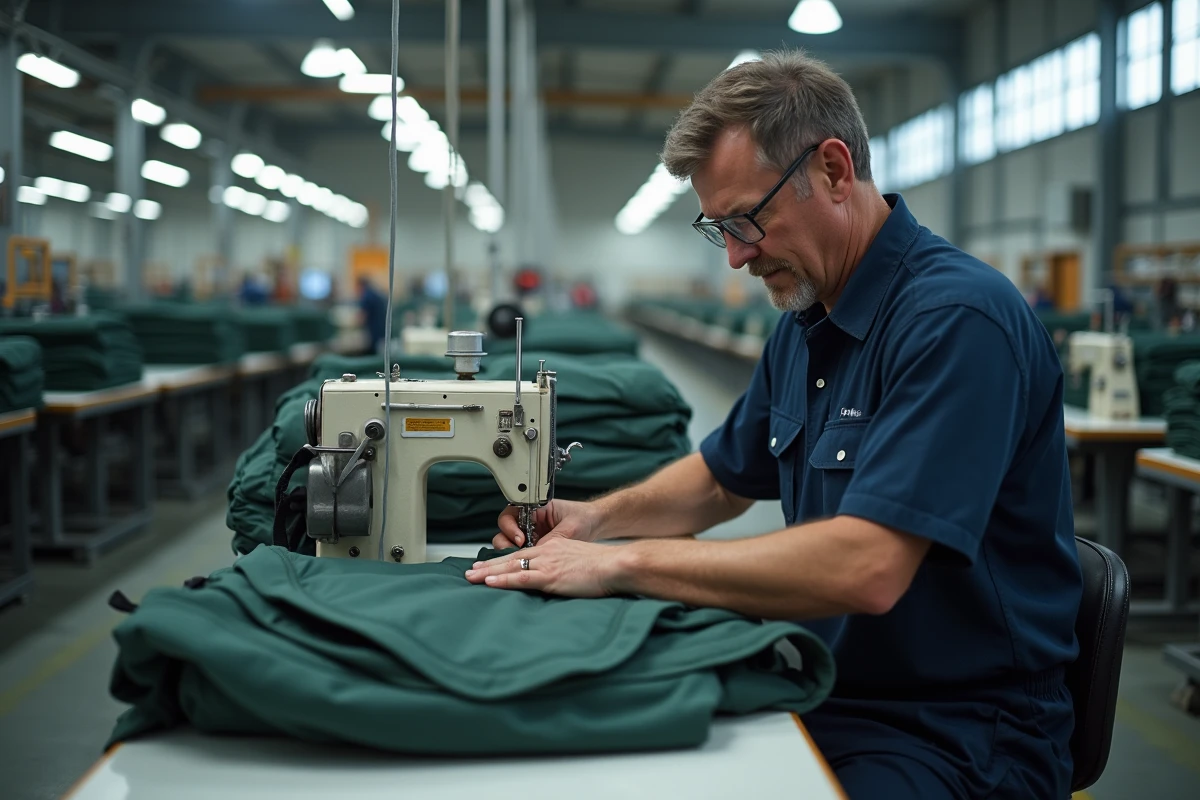
The majority of Eastpak bags sold in Europe are assembled in Vietnam. This shift has accelerated since the mid-2010s, driven by rising labor costs in China and logistical and tax considerations specific to VF Corporation, then maintained by ABG.
The Chinese share has not disappeared, but it has decreased. Some models or accessories continue to be produced there, depending on available capacities and volumes ordered by licensees.
Limited Series Sometimes Subcontracted in Europe
B2B analyses on school bags in France indicate that Eastpak occasionally maintains small series subcontracted in Europe, particularly for collaborations or specific segments. These productions concern Eastern Europe or the Mediterranean basin, but they remain marginal compared to “core” Asian volumes.
- Common models (Padded Pak’r, Pinnacle, Out of Office) are produced in Asia, primarily in Vietnam
- Collaborations with designers or fashion brands may be assembled in Europe, on limited volumes
- The country of manufacture varies depending on the collection and target market, which explains the differences in labeling from one bag to another
This coexistence of supply chains creates a situation where two Eastpak bags purchased on the same day in the same store may display different countries of origin.
Eastpak Warranty and Durability: What Origin Changes (or Not)
Eastpak communicates a warranty of up to 30 years, a recurring sales argument since the 1990s. This warranty applies to manufacturing defects, regardless of the assembly country.
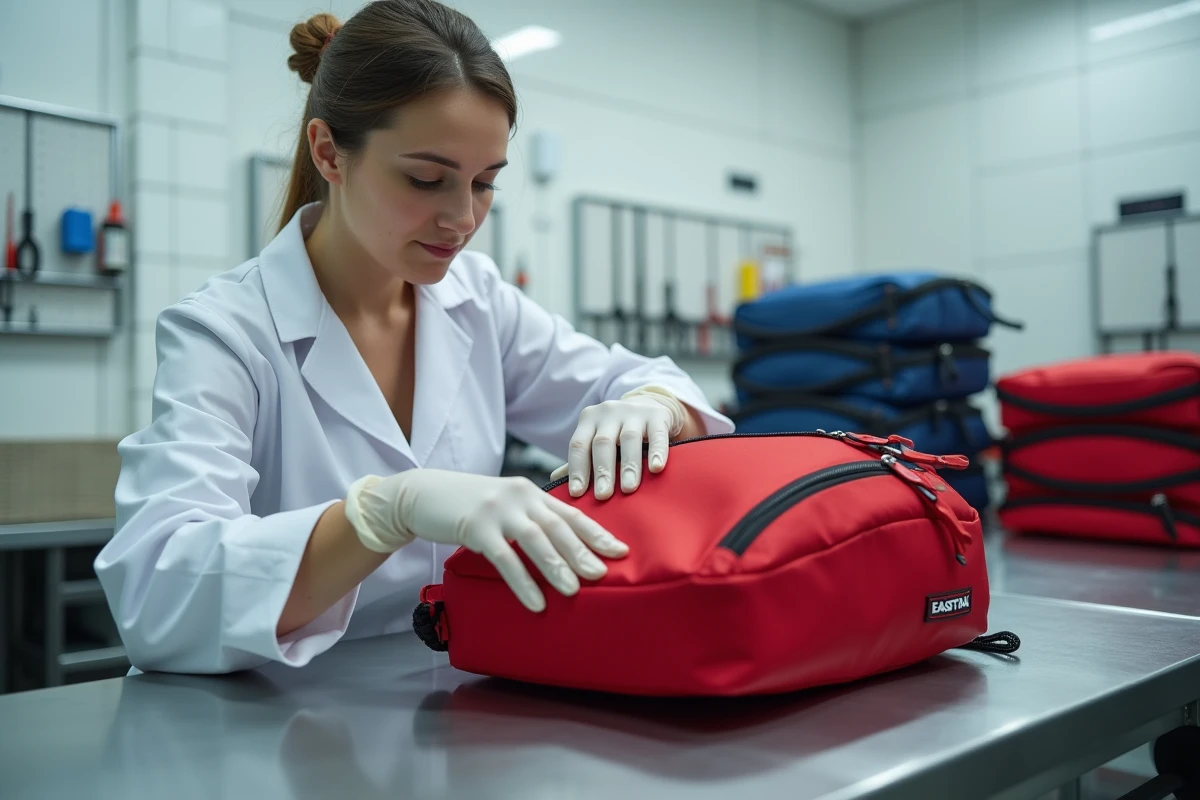
The pertinent question is therefore not so much “where is my bag sewn” but “is the material and sewing specification identical from one factory to another.” On this point, quality control is centralized by the brand, not by the local licensee. The fabrics (Cordura or equivalents), zippers, and stitching reinforcements meet specifications defined upstream.
What the Label Doesn’t Say
The “Made in Vietnam” or “Made in China” label indicates the final assembly country. It does not provide information about the origin of the raw materials (the fabric may be woven in one country, dyed in another, cut in a third). This opacity is not unique to Eastpak: it concerns the entire mid-range luggage and leather goods sector.
Eastpak vs. French Leather Goods Brands: Incomparable Logics
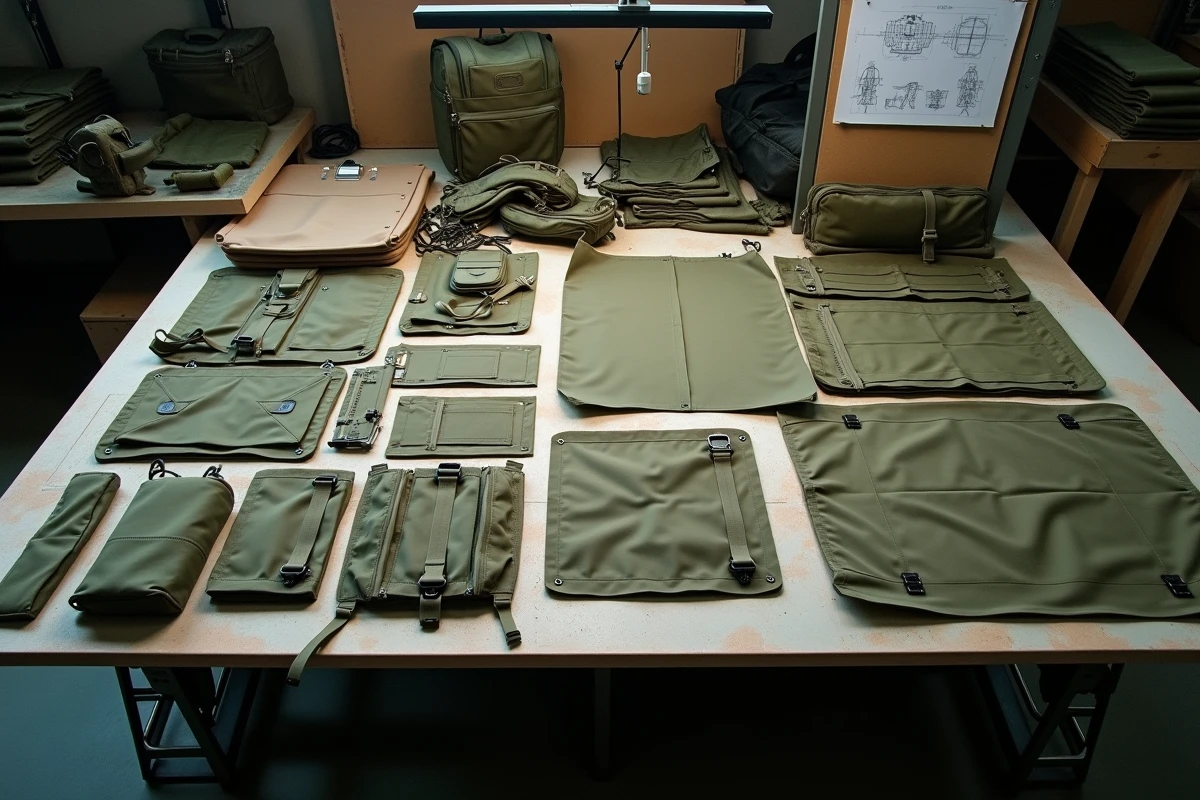
Comparing Eastpak to French leather goods houses like Longchamp only makes sense if one distinguishes the segments. Eastpak positions itself in functional luggage made of synthetic fabric, with prices that remain accessible. French leather goods brands operate in a different realm of materials, craftsmanship, and pricing.
- The leather used by French houses involves identified tanneries, often European, with more readable traceability
- Eastpak bags made of synthetic fabric rely on globalized textile supply chains, which are harder to trace
- Eastpak’s long-term warranty partially compensates for the lack of local manufacturing with a commitment to product longevity
The choice between these two universes is more about style, budget, and daily use than an absolute quality judgment.
The assembly country of an Eastpak bag depends on the model, collection, and target market. For the vast majority of references sold in France, it is Vietnam that ensures production. The shift from an integrated industrial logic to a regional licensing model, confirmed by ABG’s acquisition, makes this manufacturing geography more fluid than ever. Reading the label remains the only reliable reflex before purchase.