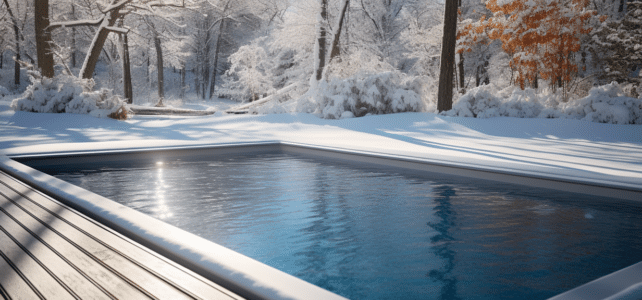
Winterizing an above-ground pool requires special attention to avoid damage from freezing and debris. Without adequate protection, the liner can deteriorate, and the structure can suffer from the rigors of winter. Owners should consider various methods to preserve their pool during this cold period. Solutions exist, ranging from the use of specific covers to appropriate water treatments, as well as tips to maintain the integrity of the filtration system. Choosing the right strategy is essential to ensure that the pool remains in perfect condition, ready for the joys of swimming as soon as the warm days return.
Preparing Your Above-Ground Pool for Winter: Essential Steps
Winterizing an above-ground pool begins when the outside temperature hovers around 12°C, a critical threshold for the biological balance of the water. At this point, the multiplication of algae and bacteria slows down, making conditions favorable to start the process. The first step is to perform a shock treatment of the water, a superchlorination that will eliminate microorganisms and clarify the water. The application of a winterizing product will help prevent algae growth during the cold season and facilitate the pool’s reopening.
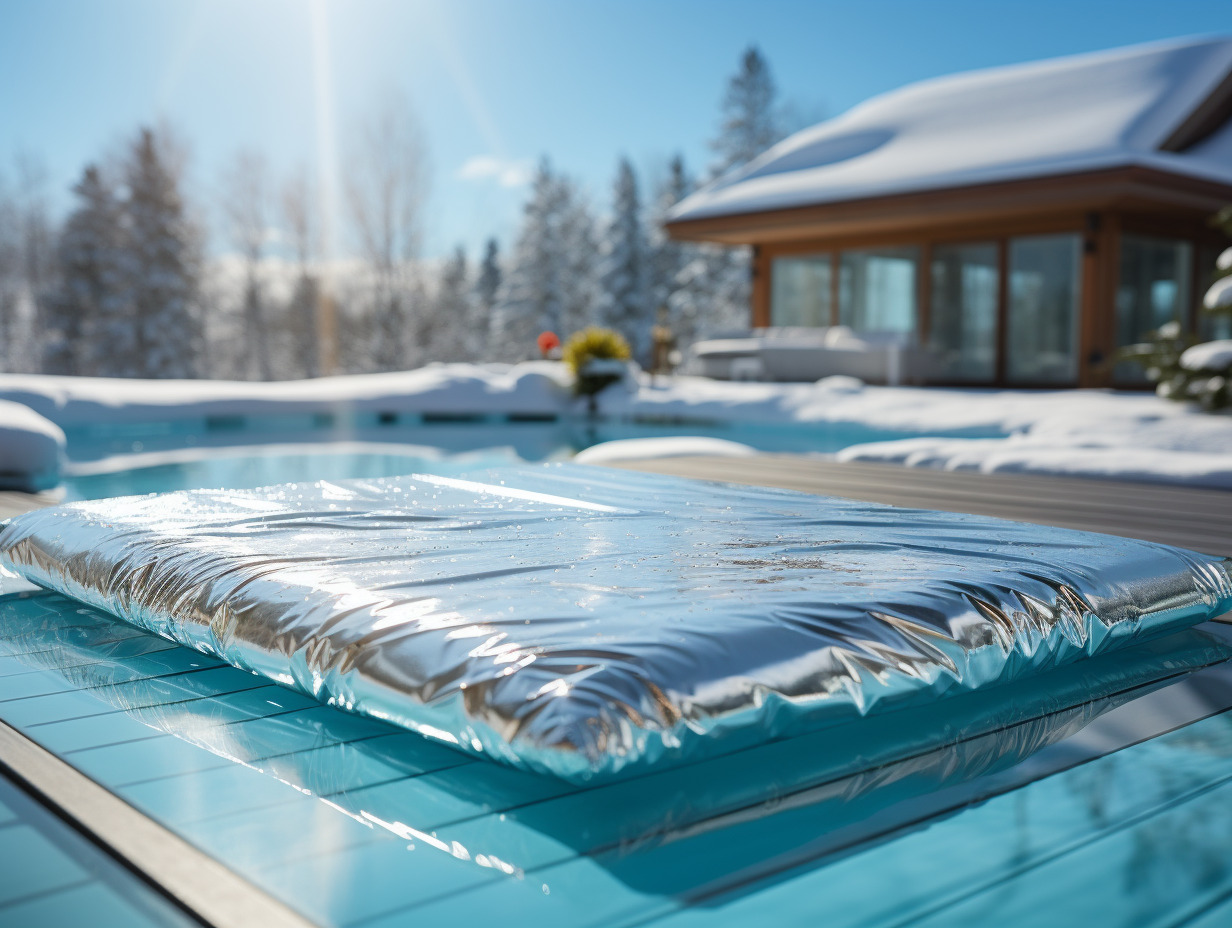
The quality of the water is a constant concern and should not be neglected even during winter. Using a winter cover is recommended to protect the pool from debris and external pollution. For above-ground pools, it is also possible to build a dome for your above-ground pool, an innovative solution that creates a physical barrier against the elements while maintaining a more stable water temperature.
Two types of winterization are available: active winterization and passive winterization. In the first case, water maintenance continues less regularly, which involves reduced but ongoing filtration. In the second case, filtration is stopped, and the pool is left completely dormant. Each of these methods has its advantages and should be chosen based on geographic location, climatic conditions, and the specifics of each above-ground pool.
Common Mistakes to Avoid for Effective Winterization of Your Above-Ground Pool
Do not underestimate the impact of outside temperature on the winterization process. Begin winterization only when it stabilizes around 12°C. Failing to respect this threshold could compromise the effectiveness of winterizing products and encourage the growth of cold-resistant algae.
Checking and maintaining water quality are steps that should not be overlooked throughout winter. A complete interruption of water maintenance, even in the case of passive winterization, can lead to chemical and biological imbalances that are difficult to restore in spring. Be sure to regularly check the pH and disinfectant levels, even if filtration is stopped.
Be cautious with the filtration of your above-ground pool. In the context of active winterization, reduce the filtration time but do not stop it completely. This allows for minimal water circulation, thus avoiding stagnation and associated risks such as frozen pipes or water deterioration.
Avoid leaving pool equipment unattended. Whether it’s pumps, filters, or skimmers, proper maintenance is essential to prevent their deterioration during winter. Protecting them from freezing and bad weather is a crucial step to ensure their proper functioning when reopening the pool.