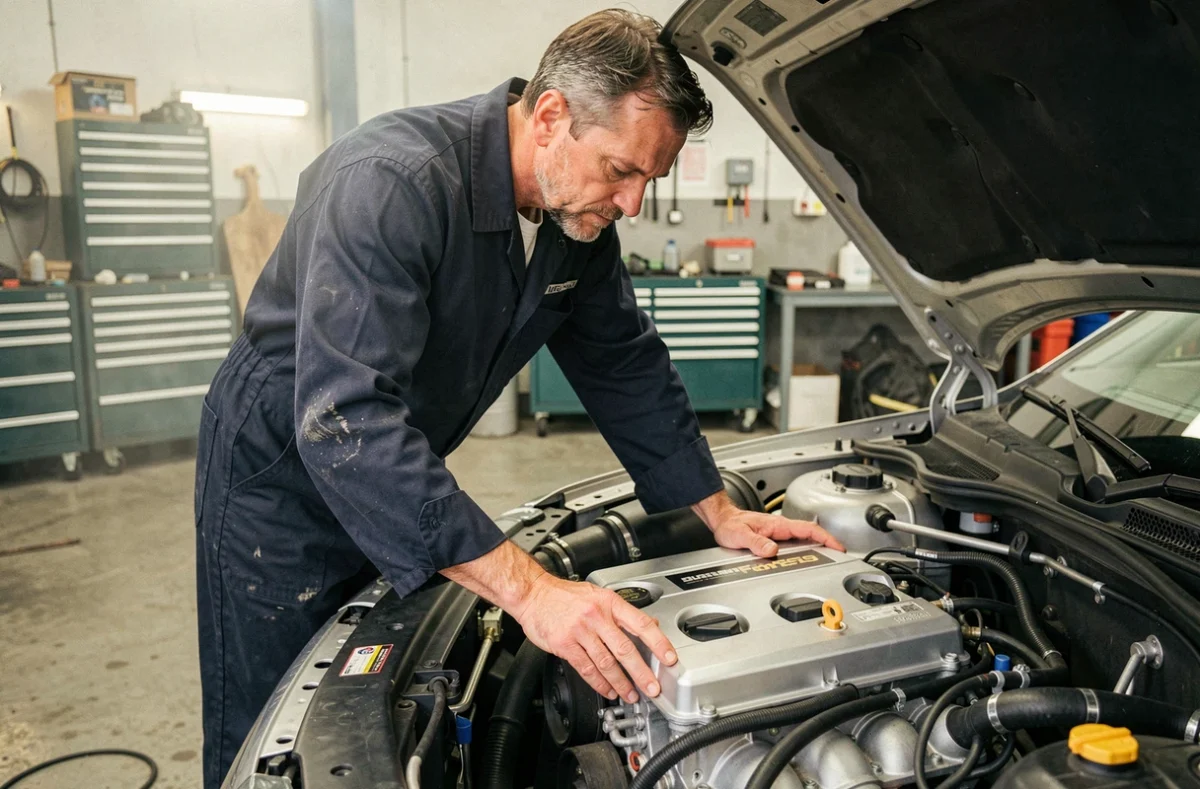
The engine of a car consists of several hundred mechanical and electronic parts that interact under constant thermal and chemical stresses. Choosing the right engine at the time of purchase, and then maintaining it according to the manufacturer’s recommendations, directly affects the vehicle’s longevity and its long-term operating costs.
Engine Pollution Control Systems: A Legal Framework Not to Be Ignored
Most maintenance guides focus on oil changes or filters, but a regulatory constraint weighs heavily on engine management. Article L318-3 of the Highway Code prohibits the removal or neutralization of the particulate filter (DPF), the EGR valve, the catalytic converter, or the SCR/AdBlue system. The fine can reach 7,500 euros in case of violation.
This regulation has concrete consequences for maintenance. Decarbonizing a DPF or cleaning a clogged EGR valve remains legal and recommended, but physically removing these components to gain performance or reduce maintenance costs exposes one to heavy penalties. When purchasing a used vehicle, checking that these elements have not been removed has become a necessary reflex.
Consulting the site annumoteurs.net for cars allows you to compare available engines and identify technical specifications before visiting a seller.
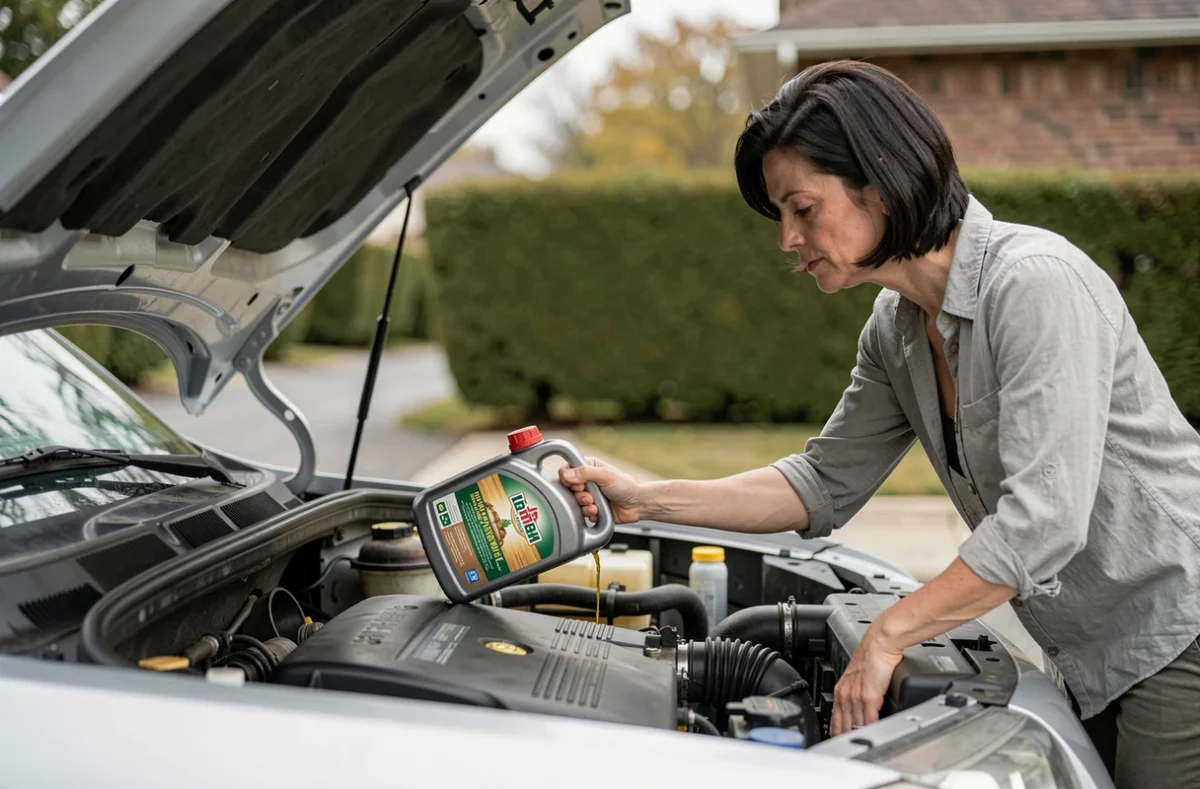
Viscosity and Standards of Engine Oil: What the Grade Really Tells You
The choice of engine oil is not just about opting for a “synthetic” can at random. Viscosity determines the lubricant’s ability to protect the engine according to operating temperature. A 5W-30 grade is not suitable for all engine types, and using inappropriate oil accelerates the wear of internal parts.
Mineral, Semi-Synthetic, or 100% Synthetic Oil
Mineral oil, derived directly from petroleum refining, degrades faster under heat. It generates more deposits on critical engine components. 100% synthetic oils offer better thermal stability and longer oil change intervals, which explains their dominance in recent vehicles.
Manufacturer standards (such as ACEA C3, VW 504.00, MB 229.51) are not just simple marketing recommendations. They guarantee chemical compatibility with the vehicle’s pollution control systems. An oil that does not comply with manufacturer standards can damage the DPF within a few thousand kilometers.
Special Case of Hybrid Engines
Hybrid engines operate in short cycles, with frequent starts of the thermal block and prolonged phases at low temperatures. This regime promotes oil dilution by unburned fuel. Some manufacturers now prescribe very low viscosity grades like 0W-8 or 0W-12, specifically formulated for these constraints.
Field reports vary on the durability of these ultra-fluid oils under varied driving conditions. Strict adherence to the maintenance manual’s recommendations remains the only reliable approach.
Oil Changes and Filters: Actual Intervals vs. Common Misconceptions
The oil change is the most frequent engine maintenance operation, but its schedule varies significantly from one vehicle to another. Manufacturers define intervals in kilometers and duration, and it is always the first deadline reached that triggers the intervention.
- The oil filter is systematically replaced at each oil change, as a clogged filter allows metallic particles to circulate in the lubrication circuit.
- The air filter protects the cylinders from external impurities. A clogged filter reduces airflow, increases consumption, and alters the air/fuel mixture.
- The fuel filter, often neglected, traps residues present in the tank. On diesel engines, a failing diesel filter endangers the high-pressure injectors.
Adhering to the manufacturer’s oil change intervals also protects the vehicle’s warranty. A neglected maintenance log can serve as a reason for refusal during a warranty claim.
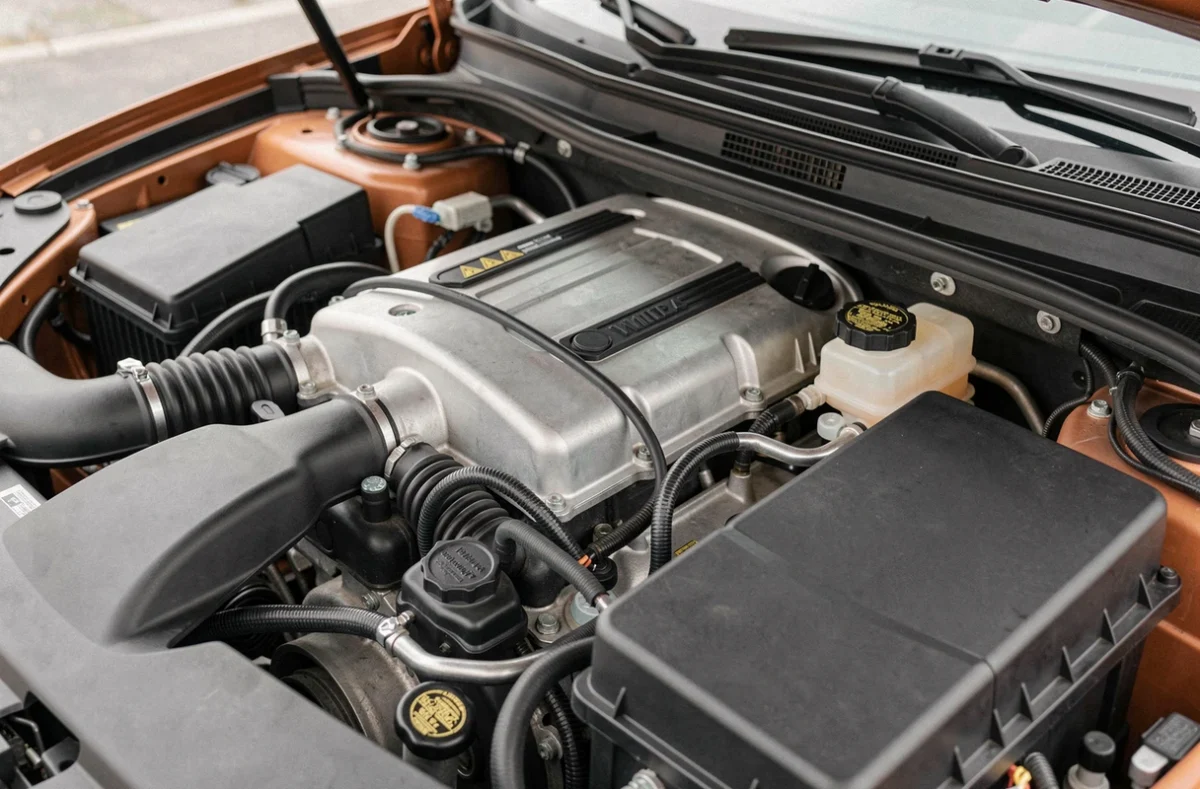
Technical Inspection and Engine Maintenance: Two Distinct Logics
A common misconception is to think that a successful technical inspection validates the good condition of the engine. In reality, the technical inspection primarily checks for pollutant emissions and certain visible electronic defects. It does not replace oil changes, mechanical revisions, or the replacement of wear parts.
A vehicle can pass the technical inspection with degraded oil, a worn timing belt, or coolant that has never been flushed. These elements are not part of the mandatory inspection points, but their failure can cause major breakdowns.
Coolant and Timing Belt
The cooling circuit maintains the engine within its appropriate temperature range. Flushing and replacing the coolant every three to four years prevents internal corrosion of hoses and the radiator. The thermostat, which regulates the opening of the circuit, is a low-cost part whose failure leads to rapid overheating.
The timing belt synchronizes the movements of the crankshaft and the camshaft. Its breakage causes, in the majority of modern engines, a collision between the pistons and the valves. Preventive replacement according to manufacturer recommendations remains the only way to avoid engine failure, which often costs more to repair than the vehicle’s residual value.
Electric Vehicle: An Engine Without Oil Changes, But Not Without Maintenance
The absence of a thermal block in an electric vehicle eliminates oil changes, fuel filters, and pollution control systems. Maintenance shifts to other components: battery cooling circuit, high-voltage electronics, brakes, and running gear.
Brake pads wear less quickly due to regenerative braking, but the discs can corrode due to lack of use. Brake fluid, hygroscopic, continues to degrade at the same rate as in a thermal vehicle.
- The battery cooling circuit requires regular monitoring to keep the cells within their temperature range.
- Software updates for the electric motor and the BMS (Battery Management System) directly influence battery range and longevity.
- Tires wear out more quickly due to instantaneous torque, necessitating more frequent checks of pressure and wear.
The annual maintenance cost of an electric vehicle remains generally lower than that of a thermal vehicle, but it is not zero. Neglecting the monitoring of the high-voltage circuit or the cooling system can lead to repairs whose costs far exceed those of a standard service.